

For centuries, humans have sought ways to recreate companionship, intimacy, and the human form through art, craftsmanship, and technology. What began as simple handmade figures has evolved into a sophisticated global industry driven by advanced materials, robotics, and artificial intelligence.
Today’s sex dolls are no longer viewed solely as novelty products. Many are appreciated for their craftsmanship, customization options, and technological innovation. Some owners collect them as works of art, while others use them as companions or photography models.

In this article, we’ll explore the fascinating history of sex dolls, how the industry has transformed over time, and where this rapidly growing market appears to be heading.
Early Origins
The exact origins of sex dolls remain uncertain, with many stories blending history and folklore.
One of the most well-known legends involves European sailors during the 16th and 17th centuries. According to historical accounts, sailors embarking on long voyages sometimes fashioned simple human-shaped figures from cloth, leather, or other available materials. These primitive creations, sometimes referred to as “dames de voyage,” were intended to provide companionship during months at sea.
Although historians debate how widespread this practice actually was, it illustrates a longstanding human desire to recreate companionship through physical objects.
In ancient civilizations, sculptures and carved figures depicting the human body also served cultural, artistic, and sometimes intimate purposes. While they were far removed from modern dolls, they represent some of the earliest attempts to replicate human anatomy.
Industrial Manufacturing Begins
The 20th century marked the beginning of commercially manufactured intimacy products.
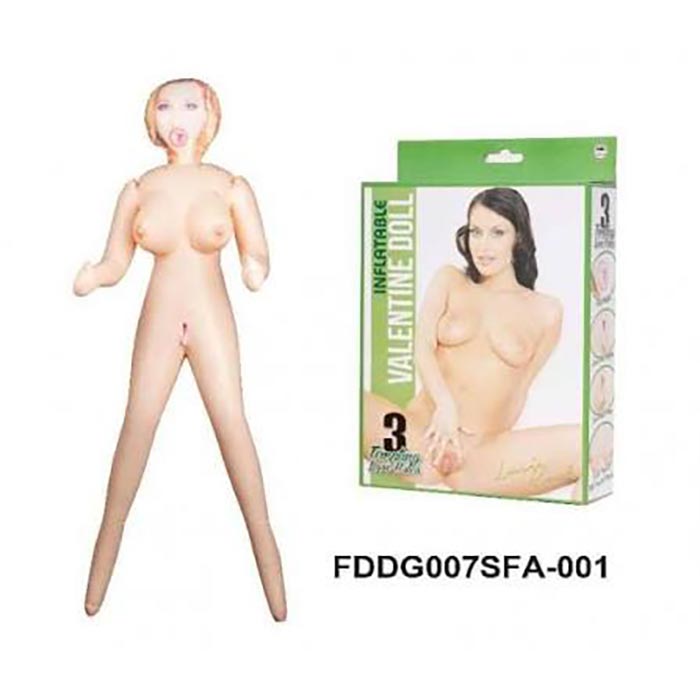
Early inflatable dolls appeared during the 1960s and 1970s. Constructed primarily from PVC or vinyl, these products were inexpensive and lightweight but lacked realism in both appearance and feel.
Despite their limitations, inflatable dolls introduced the idea of mass-produced companion products and helped establish a market that would continue growing for decades.
As manufacturing technologies improved, consumer expectations also evolved. Buyers increasingly sought products that looked and felt more realistic, encouraging manufacturers to invest in better materials and construction techniques.
The Silicone Revolution
The biggest transformation came during the late 1990s and early 2000s with the introduction of silicone dolls.
Medical-grade silicone allowed manufacturers to create:
- Highly detailed facial features
- Realistic skin texture
- Improved durability
- Better body proportions
- Greater customization
These dolls were considerably more expensive than inflatable alternatives, but many customers considered the dramatic improvement in quality worthwhile.
Silicone remains one of the premium materials used today because of its durability, stability, and ability to retain fine details.
The Rise of TPE
Around the 2010s, thermoplastic elastomer (TPE) became increasingly popular.
TPE offered several advantages:
- Softer texture
- More flexible body movement
- Lower manufacturing costs
- Greater accessibility for new buyers
Although TPE generally requires more maintenance than silicone and can be more porous, it significantly reduced entry costs for consumers.
Today, both silicone and TPE dominate the industry, with each appealing to different types of buyers depending on their priorities.
Advances in Design and Manufacturing
Modern sex dolls are vastly different from those produced just two decades ago.
Manufacturers now employ technologies such as:
- 3D facial modeling
- Digital sculpting
- CNC machining
- Precision metal skeletons
- Replaceable heads
- Modular body systems
- Hand-painted details
Many premium models feature articulated skeletons that allow for hundreds of posing positions, making them attractive not only for companionship but also for photographers, artists, and collectors.
Customization has become another defining characteristic of the industry.
Customers can often choose:
- Height
- Body proportions
- Facial appearance
- Eye color
- Hair style
- Skin tone
- Makeup style
- Finger and toe details
Some manufacturers even allow highly personalized designs based on customer preferences.
Artificial Intelligence Enters the Market
Perhaps the most exciting development in recent years has been the integration of artificial intelligence.
Although today’s AI-powered dolls remain in their early stages, manufacturers have begun introducing features such as:
- Voice recognition
- Conversational AI
- Facial expressions
- Eye tracking
- Memory functions
- Personality customization
Rather than functioning solely as physical products, these systems aim to create interactive companion experiences.
Advances in large language models, speech synthesis, and computer vision are expected to play an increasingly important role in future generations of AI companions.
A Growing Global Industry
The global sex doll market has expanded significantly over the past decade.
Manufacturers now operate across multiple regions, with a large concentration of production facilities in Asia. At the same time, distributors and retailers serve customers throughout North America, Europe, Australia, and many other parts of the world.
Growth has been driven by several factors:
- Improved product quality
- Lower production costs
- Increased online retail
- Greater product customization
- Advances in materials and robotics
- Growing public awareness
The internet has also made it easier for consumers to research products, compare manufacturers, and access educational resources before making a purchase.
Beyond Their Intended Purpose
Although sex dolls are primarily designed as adult products, many owners use them for other purposes.
Some are collected as highly detailed works of craftsmanship.
Others are used by photographers, digital artists, filmmakers, clothing designers, and educators seeking realistic human forms for creative or technical projects.

In some cases, researchers studying robotics and human-computer interaction also use highly realistic dolls as experimental platforms.
These varied uses reflect how the products have evolved beyond their original commercial niche.
Challenges Facing the Industry
Like many emerging industries, the sex doll market faces several challenges.
Manufacturers continue working to improve:
- Material longevity
- Product weight
- Heat generation
- Realistic movement
- Facial animation
- Battery life for electronic models
- AI responsiveness
Privacy has also become an increasingly important consideration as internet-connected features become more common. Consumers are paying closer attention to how voice recordings, software updates, and personal data are managed by manufacturers.
Additionally, regulations regarding adult products differ widely between countries, affecting manufacturing, importation, and retail availability.
The Future of Companion Technology
The next decade is likely to bring significant advancements.
Artificial intelligence is becoming more conversational, natural, and personalized. Robotics continues improving in areas such as movement, facial animation, and gesture recognition. Meanwhile, materials science is producing increasingly lifelike synthetic skin with greater durability and realism.
Future companion systems may combine realistic physical design with sophisticated conversational AI, cloud-based updates, smart-home integration, and adaptive personalities capable of remembering preferences and previous conversations.
While fully autonomous humanoid robots remain technically challenging, many experts expect gradual improvements rather than sudden breakthroughs.
Final Thoughts
The story of sex dolls is ultimately one of technological evolution. From simple handmade figures and inflatable models to highly detailed silicone creations and AI-assisted companions, the industry has changed dramatically over the past several decades.
Modern products showcase remarkable advances in materials engineering, manufacturing, and artificial intelligence. As these technologies continue to mature, the line between static models and interactive companion devices may become increasingly blurred.
Whether viewed as collector’s items, technological innovations, artistic creations, or personal companions, sex dolls have become part of a broader conversation about robotics, AI, human interaction, and the future of synthetic companionship.
As innovation continues, one thing is certain: the industry is evolving faster than ever, making it an intriguing space to watch in the years ahead.
